Perché scegliere FeSiN per migliorare la resistenza dell'acciaio e ridurre le cricche?
- Migliora la resistenza dell'acciaio tramite legatura con azoto
- Riduce le cricche sia nell'acciaio che nei rivestimenti refrattari
- Eccellente stabilità termica nei processi ad alta temperatura
- Migliora la durabilità e la vita utile dei refrattari
- Fornitura affidabile in grandi volumi per la produzione continua di acciaio
Cos'è il Ferro Silicio Nitruro e come migliora la produzione di acciaio?
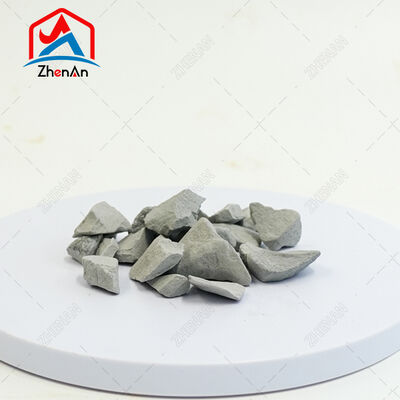
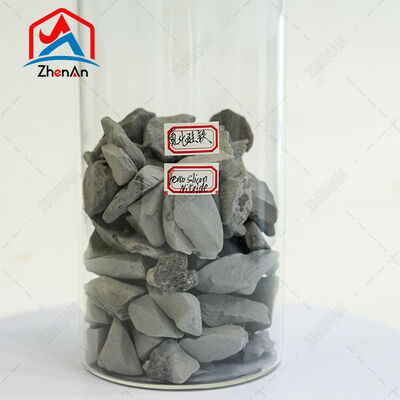
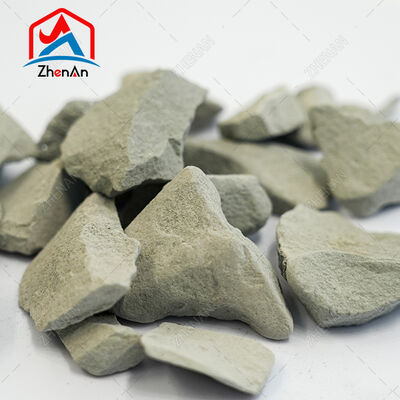
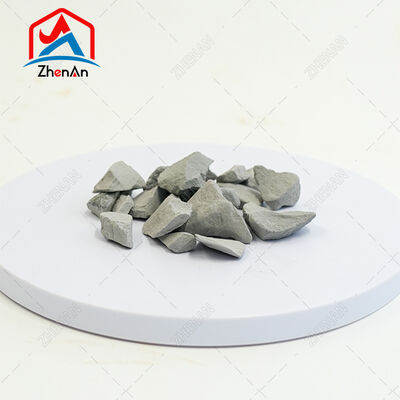
Il Ferro Silicio Nitruro (FeSiN) è una lega composita composta da silicio, azoto e ferro, ampiamente utilizzata nellaproduzione di acciaio e nei sistemi refrattari. Funziona sia comemateriale legante con azotoche comeadditivo rinforzante per refrattari, rendendolo altamente efficace nel migliorare la qualità dell'acciaio e la stabilità del processo.
Nella siderurgia, il FeSiN introduce azoto nell'acciaio fuso, il che migliora il raffinamento del grano e aumenta la resistenza meccanica. Allo stesso tempo, il suo contenuto di silicio contribuisce alla deossidazione, garantendo un acciaio più pulito con meno inclusioni.
Quali sono le specifiche standard del FeSiN?
| Parametro |
Intervallo di specifica |
| Silicio (Si) |
40–60% |
| Azoto (N) |
20–35% |
| Ferro (Fe) |
Bilancio |
| Carbonio (C) |
≤1,5% |
| Dimensione delle particelle |
10–50 mm / personalizzato |
| Forma |
Lump / granuli |
| Densità apparente |
2,5–3,2 g/cm³ |
| Applicazione |
Produzione di acciaio / refrattario |
Come migliora il FeSiN la resistenza dell'acciaio?
Il FeSiN migliora la resistenza dell'acciaio principalmente tramite legatura con azoto. Gli atomi di azoto si dissolvono nella matrice dell'acciaio e promuovono la formazione di grani fini, che migliora le proprietà meccaniche comeresistenza alla trazione, durezza e resistenza all'usuraIl FeSiN 30 contiene un contenuto di azoto più elevato, rendendolo più efficace nel migliorare la resistenza dell'acciaio e ridurre le cricche. È ideale per
Inoltre, la presenza di silicio aiuta a rimuovere l'ossigeno dall'acciaio fuso, riducendo le impurità. Questa combinazione porta a una microstruttura più uniforme e
robusta
, essenziale per applicazioni di acciaio ad alte prestazioni.
Perché il FeSiN riduce le cricche nell'acciaio e nei refrattari?
Le cricche sono un problema importante sia nei prodotti in acciaio che nei rivestimenti refrattari a causa dello stress termico e della debolezza strutturale. Il FeSiN affronta questo problema in due modi.
Innanzitutto, nell'acciaio, l'azoto migliora la duttilità e distribuisce lo stress interno in modo più uniforme, riducendo la probabilità di cricche durante il raffreddamento. In secondo luogo, nei materiali refrattari, il FeSiN forma forti fasi leganti che migliorano la resistenza allo shock termico, prevenendo la propagazione delle cricche sotto rapidi cambiamenti di temperatura.Come migliora il FeSiN le prestazioni dei refrattari negli impianti siderurgici?Il FeSiN migliora significativamente i materiali refrattari aumentando la loro resistenza a
ossidazione, usura e cicli termici
. Ciò è particolarmente importante nelle zone ad alta temperatura come forni, siviere e bacini di colata.
Rinforzando la struttura interna dei refrattari, il FeSiN aiuta a mantenere la loro forma e resistenza per periodi prolungati. Ciò riduce la frequenza di manutenzione e garantisce una produzione di acciaio ininterrotta.
Confronto gradi FeSiNFeSiN 30 vs FeSiN 20: quale grado offre una migliore resistenza?Il FeSiN 30 contiene un contenuto di azoto più elevato, rendendolo più efficace nel migliorare la resistenza dell'acciaio e ridurre le cricche. È ideale per
produzione di acciaio di alta qualità e applicazioni refrattarie impegnative
.
Il FeSiN 20 offre un'alternativa più economica con prestazioni moderate, adatta per processi siderurgici standard.
FeSiN vs Nitruro di Silicio: quale materiale è più efficiente?
Il FeSiN combina proprietà metalliche e ceramiche, rendendolo più facile da usare nei processi metallurgici su larga scala. È anche più conveniente per applicazioni in grandi volumi.
Il nitruro di silicio offre prestazioni ceramiche superiori ma è significativamente più costoso e tipicamente utilizzato in applicazioni ingegneristiche specializzate piuttosto che nella produzione generale di acciaio.
FeSiN vs Ferrosilicio: perché passare a FeSiN?Il ferrosilicio è utilizzato principalmente per la deossidazione e non fornisce rinforzo con azoto.Il FeSiN fornisce sia silicio che azoto, permettendogli di
migliorare la resistenza dell'acciaio, ridurre le cricche e migliorare la durabilità dei refrattari
, rendendolo un materiale più avanzato ed efficiente.
- Quali sono i principali vantaggi dell'utilizzo del FeSiN nella produzione di acciaio?
- Il FeSiN offre molteplici vantaggi nelle applicazioni siderurgiche e refrattarie:
- migliora la resistenza e la tenacità dell'acciaio
- riduce le cricche nell'acciaio e nei rivestimenti refrattari


 Il tuo messaggio deve contenere da 20 a 3000 caratteri!
 Italian