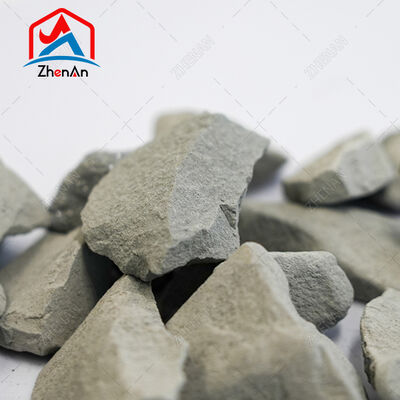
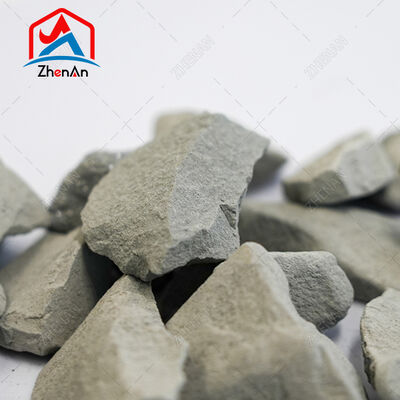
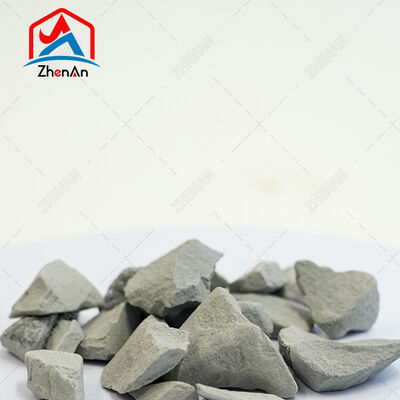
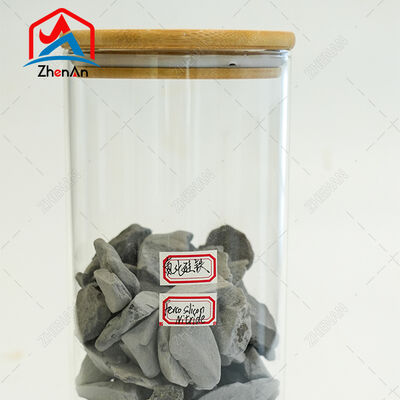
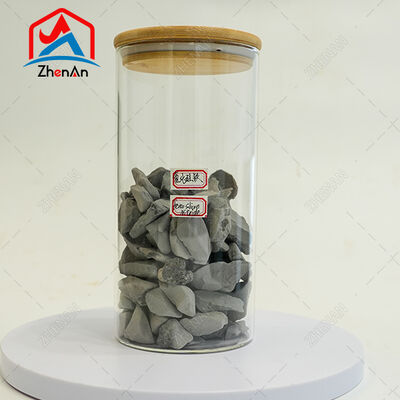
Nitruro di ferro silicio FeSiN N30 Contenuto elevato di azoto per la legatura refrattaria
Cos'è il nitrito di ferrosilicio (FeSiN) e perché viene utilizzato nei refrattari per la fabbricazione del ferro?
Il nitruro di ferrosilicio (FeSiN) è un additivo funzionale refrattario prodotto nitridando il ferrosilicio in condizioni controllate,formando un composto stabile contenente azoto utilizzato nei sistemi metallurgici ad alta temperaturaIl grado N30 si riferisce ad un tenore di azoto di circa il 30%, che ne determina direttamente l'attività di legame, la stabilità di fase e le prestazioni nelle matrici refrattarie.
In altoforno, il FeSiN è ampiamente utilizzato insistemi di argilla a taphole e formulazioni di legame refrattarieper migliorare l'integrità strutturale, la resistenza termica e la resistenza all'erosione durante i cicli di tap.
ZhenAn fornisce N30 Nitruro di ferrosilicio progettato per rilasciare azoto stabile e legame refrattario ad alte prestazioni nei sistemi di fabbricazione del ferro.
Perché il FeSiN ad alto contenuto di azoto è critico nell' argilla di tapaolo in altoforno
L'argilla per taphole di altoforno funziona sotto shock termico estremo, erosione del ferro fuso e ripetuti cicli di apertura/chiusura.Le prestazioni dell'argilla dipendono in gran parte dal suo sistema di attaccamento e dal suo comportamento in situ.
Il FeSiN ad alto contenuto di azoto contribuisce:
- Formazione di fasi di legame nitridate ad alta temperatura
- Miglioramento della resistenza della rete ceramica durante la sinterizzazione
- Miglioramento della resistenza alla penetrazione del ferro fuso
- Stabilizzazione della struttura refrattaria sotto ciclo termico
Il FeSiN di grado N30 fornisce un livello di azoto equilibrato che garantisce sia la reattività che la stabilità strutturale nei sistemi di argilla a taphole.
Che cosa significa il contenuto di azoto N30 nel nitruro di ferro silicio?
N30 indica che il materiale contiene circa30% di azoto legato chimicamente.
Questo azoto non è un gas libero, ma è incorporato in composti di silicio-ferro-azoto che reagiscono durante il servizio ad alta temperatura.
Contenuto di azoto più elevato significa:
- Potenziale di nitrurazione maggiore durante il riscaldamento
- Maggiore formazione delle fasi di legame
- Miglioramento della densificazione refrattaria
- Maggiore resistenza alle scorie e all'erosione dei metalli
Tuttavia, l'azoto deve rimanere stabile per garantire prestazioni controllate durante il funzionamento del forno.
Come il contenuto di azoto influenza la forza di legame dell' argilla tafolica
L'azoto svolge un ruolo strutturale nella chimica refrattaria partecipando alla formazione di fasi ad alta temperatura.
In sistemi di argilla a taphole, il FeSiN contribuisce a:
- Formazione di reti di legame basate sul Si3N4
- Miglioramento dell'interconnessione delle particelle durante la sinterizzazione
- Riduzione della porosità aperta nella struttura refrattaria
- Maggiore resistenza meccanica dopo cura e riscaldamento
Un contenuto di azoto più elevato migliora generalmente la forza di legame, ma deve essere controllato per evitare un'eccessiva espansione o uno squilibrio di reazione.
Perché il FeSiN ad alto contenuto di azoto viene utilizzato nell' argilla di tapaolo per altoforno
Il FeSiN ad alto contenuto di azoto è preferito perché fornisce:
- Nitrurazione controllata durante il funzionamento del forno
- Trasformazione di fase refrattaria stabile
- Miglioramento della resistenza all'erosione del flusso di ferro
- Vita di servizio più lunga del taphole
- Consumo ridotto di argilla per ciclo di estrazione
È particolarmente utile nelle acciaierie ad alta intensità, dove la frequenza di scarico e la tensione termica sono elevate.
Può il livello di azoto influenzare le prestazioni di cura refrattaria?
Il livello di azoto influisce direttamente sul comportamento di temperatura e sinterizzazione.
- Il basso contenuto di azoto può portare a un legame debole e a una scarsa integrità strutturale
- L'azoto eccessivamente elevato può causare un'espansione irregolare o micro-cracking
- Il grado di N30 ottimizzato garantisce un comportamento di temperatura equilibrato
Questo equilibrio è fondamentale nei sistemi di argilla senza acqua, dove il legame chimico domina i meccanismi di idratazione.
Come il FeSiN migliora il legame nei sistemi di argilla di tapolo senza acqua
Nelle moderne operazioni di altoforno, molti sistemi di argilla a taphole sono formulazioni prive di acqua o a bassa umidità.
Il FeSiN migliora il legame:
- Reagire durante l'esposizione ad alte temperature ai nitruri di forma
- Matrici di ceramica a base di silicati
- Miglioramento della stabilità termica senza ricorrere all'idratazione
- Miglioramento della plasticità durante l'installazione e della solidificazione dopo il riscaldamento
Questo rende il FeSiN un additivo funzionale chiave nell'ingegneria refrattaria avanzata.
Qual è il ruolo del FeSiN nella formazione di matrice refrattaria?
Il FeSiN agisce sia come additivo reattivo che come additivo strutturale nei sistemi refrattari.
Durante il servizio:
- Silicio e azoto reagiscono per formare fasi Si3N4
- Il ferro contribuisce alla diffusione e all'uniformità dei legami
- Una rete ceramica densa si forma a alta temperatura
Questa matrice migliora significativamente:
- Resistenza all'erosione
- Stabilità a scossa termica
- Ritenzione della resistenza meccanica
Perché la stabilità dell'azoto è importante nei refrattari per la fabbricazione del ferro
La stabilità dell'azoto garantisce prestazioni prevedibili in condizioni di forno.
Il rilascio instabile di azoto può causare:
- Formazione di legame incoerente
- Performance variabile dell'argilla tra i lotti
- Riduzione della durata di vita del taphole
- Maggiore frequenza della manutenzione
Il FeSiN N30 stabile garantisce un comportamento refrattario uniforme nelle applicazioni industriali.
Come il FeSiN migliora la plasticità e le prestazioni di lavoro dell'argilla
Prima dell'esposizione al forno, il FeSiN contribuisce anche alle prestazioni dell'impianto:
- Migliora la lavorabilità delle miscele di argilla a taphole
- Migliora la dispersione delle particelle nei leganti
- Garantisce la forma e il riempimento uniformi dei canali dei fori
- Riduce le crepe durante le fasi di pre-riscaldamento
Ciò migliora sia la gestione operativa che le prestazioni refrattarie finali.
Specificativi tecnici del nitrito di ferrosilicio (N30)
| Articolo |
Specificità |
| Nome del prodotto |
Nitruro di ferrosilicio |
| Sistema chimico |
Fesione |
| Contenuto di azoto |
~ 30% (grado N30) |
| Sì Content |
Saldo (in genere 45-55%) |
| Contenuto di Fe |
Bilancio |
| Dimensione delle particelle |
0°3 mm / personalizzato |
| Apparizione |
Solid granulare da grigio a scuro |
| Applicazione |
Artiglieria tafolica / legame refrattario |
FeSiN N30 vs bassi gradi di azoto
| Parametro |
FeSiN N30 |
FeSiN a basso tenore di azoto |
| Forza del legame |
Altezza |
Medio |
| Efficienza di nitrurazione |
Forte |
Limitato |
| Impatto sulla durata di vita del Taphole |
Migliorato |
Moderato |
| Stabilità termica |
Altezza |
Inferiore |
| Densità refrattaria |
Struttura densa |
Meno compatta |
| Adattabilità industriale |
BF ad alta intensità |
Applicazioni generali |
Consegna dei prodotti, imballaggio e logistica
ZhenAn fornisce nitrito di ferro silicio in forma granulare controllata progettata per sistemi di miscelazione refrattari.
Le opzioni di imballaggio standard includono:
- Sacchetti resistenti all'umidità da 25 kg
- 1 MT di sacchetti di massa
- Imballaggi per l'esportazione armati a palette
Tutte le spedizioni comprendono:
- COA (Rapporto di analisi chimica)
- Relazione sulla distribuzione delle dimensioni delle particelle
- Certificazione del tenore di azoto
- Documentazione sulla coerenza della qualità
La logistica delle esportazioni è progettata per le catene di approvvigionamento delle acciaierie con esigenze di consegna di lotti stabili.
Domande frequenti
Che cosa significa il contenuto di azoto N30 nel nitruro di ferrosilicio?
Indica circa il 30% di azoto legato chimicamente nel materiale.
In che modo il contenuto di azoto influenza la forza di legame dell'argilla del taphole?
L'azoto più elevato migliora la formazione di fasi di legame ceramiche nitridate.
Perché il FeSiN ad alto contenuto di azoto viene utilizzato nell'argilla per taphole degli altiforni?
Perché aumenta la resistenza termica e la durata strutturale.
Il livello di azoto può influenzare le prestazioni di temperatura refrattaria?
Sì, influisce sulla formazione dei legami e sulla stabilità strutturale.
In che modo il FeSiN migliora il legame nei sistemi di argilla senza acqua?
Formando fasi di nitruro ad alta temperatura durante il funzionamento del forno.
Qual è il ruolo del FeSiN nella formazione di matrice refrattaria?
Contribuisce a reti ceramiche a base di Si3N4 dense.
Perché la stabilità dell'azoto è importante nei refrattari per la fabbricazione del ferro?
Garantisce prestazioni costanti e previene variabilità strutturali.
In che modo il FeSiN migliora la plasticità e le prestazioni di lavoro dell'argilla?
Migliora l'uniformità della miscela e il comportamento dell'installazione.
Perché le acciaierie scelgono lo ZhenAn FeSiN
ZhenAn fornisce nitruro di ferrosilicio (N30) ad alta stabilità progettato per prestazioni di azoto costanti, legame refrattario affidabile e funzionamento ottimizzato del taphole dell'altoforno.Il nostro processo di produzione controllato garantisce la stabilità del lotto e prestazioni di livello industriale per ambienti di fabbricazione del ferro esigenti.


 Il tuo messaggio deve contenere da 20 a 3000 caratteri!
 Italian